Julie Mizak, LCSW-C

Julie Mizak, LCSW-C
Why I do this work:
My Education, Experience & Background:
I was born and raised in New Jersey and moved to Maryland ten years ago. I received my Masters of Social Work from Rutgers School of Social Work in 2008. I am an LCSW-C that has worked with children, adolescents, adults, families and groups in various outpatient settings. I am a MD Board of Social Work approved supervisor for those that are working toward their own licensure.
Specialties & Passions:
I am experienced in individual therapy while treating those who suffer from anxiety, depression ADHD, behavioral disorders, health & wellness, body image, self esteem and women's issues. As an EMDR trained therapist, I am able to work with clients who want to process past traumas, triggering events and who have emotional distress. I have worked in a variety of different settings including a community mental health agency, school based therapy, intensive outpatient program and a group practice.
In addition to the work that I does as a social worker, I am very active in the fitness community. I am a certified personal trainer as well as a Crossfit coach for both adults and children. Through this work, I have been able to incorporate fitness and nutrition into the practice along with mental health. If this is something that you think would be a benefit to you, please do not hesitate to reach out and we can work toward a more holistic approach.
Not so Specialties:
Because I have been in the social work field for over 10 years, there are the populations that I do not feel comfortable working with. If you are looking into couples counseling, have a personality disorder or need higher intensity levels of treatment, I would be more than happy to refer you a network of therapists that I have grown to trust.
Founder, Mental Health Therapist 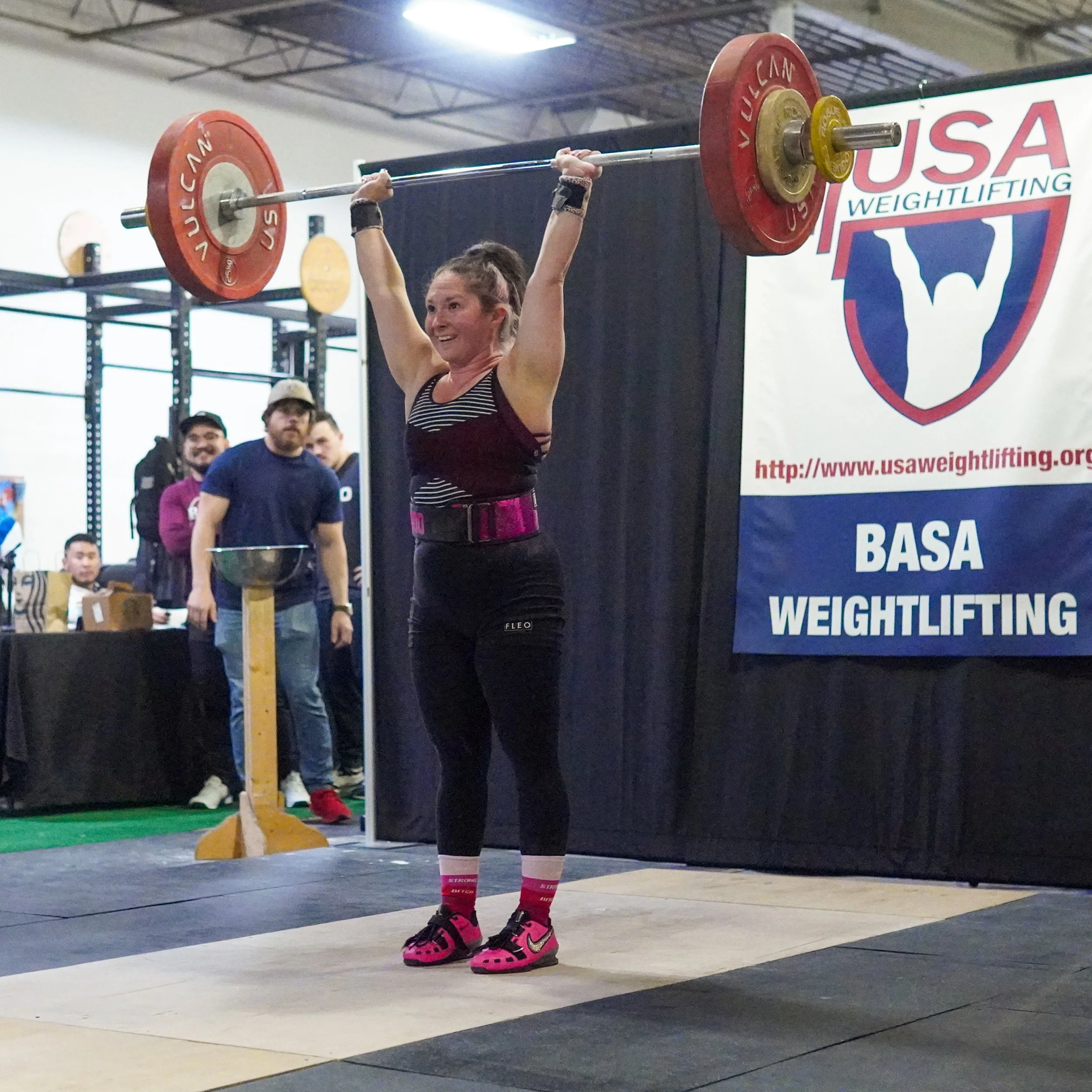
Work I do:
I provide trauma-informed psychotherapy specializing in eating disorders, EMDR, trauma and anxiety to help individuals heal from trauma, reduce anxiety, and reclaim a grounded, empowered life.
What I offer
Eating Disorders: Treatment focused on improving relationship with food, patterns that brought about the eating disorder, ways to cope and how to move forward in the future.
EMDR therapy: Assessment and phased EMDR treatment to process traumatic memories, reduce distressing symptoms, and reframe maladaptive beliefs.
Trauma-focused psychotherapy: Safety and stabilization, trauma processing, and integration tailored to each client’s pace and needs.
Anxiety treatment: Evidence-based strategies—including EMDR, cognitive-behavioral techniques, and somatic resources—to reduce panic, chronic worry, hypervigilance, and avoidance.
Women-centered care: Attuned to the specific contexts and intersections that shape women’s experiences (relationships, caregiving roles, reproductive health, cultural expectations). I create a collaborative, respectful space that honors clients’ autonomy and resilience.
Who benefits
Women who have experienced single-incident or complex/ developmental trauma (childhood abuse, intimate partner violence, medical trauma, sexual assault, accidents).
Those experiencing panic attacks, generalized anxiety, social anxiety, health anxiety, or trauma-triggered anxiety.
Clients seeking a trauma-informed, strength-based approach that integrates mind and body techniques.
Therapeutic approach
Trauma-informed and client-led: Safety, consent, pacing, and stabilization are prioritized before processing.
Integrative and evidence-based: EMDR is central, supported by cognitive-behavioral interventions, somatic awareness, and relational psychotherapy.
Culturally humble and gender-aware: Treatment is sensitive to diversity in identity, culture, and life stage; interventions are adapted to fit each client’s values and circumstances.
What to expect
Initial consultation: Assessment of history, symptoms, and goals; discussion of EMDR and its appropriateness.
Treatment planning: Collaborative formulation, stabilization work if needed, and phased EMDR preparation.
Ongoing evaluation: Regular review of progress and adjustment of techniques as needed.
Duration: This is a person to person evaluation. Some people go through therapy in a shorter amount of time than others. This will be a collaborative approach